
Best overall for recurring fan support: Patreon. Best for building across content, websites, and courses: Useautoforgeai. Best for paid newsletters: Substack. This 2026 guide compares creator monetization platforms by what you sell, how you reach buyers, and what you need to manage.
- Patreon is the best creator monetization platform here for creators focused on recurring fan memberships.
- Useautoforgeai suits creators who want content creation, website building, and course tools within one suite.
- Substack fits paid newsletters; Gumroad fits standalone digital products; Teachable fits structured courses.
- YouTube fits video-led audience monetization, but partner-program eligibility controls access to specific earning features.
Why this matters
A platform should match the transaction your audience already understands. Supporting an ongoing creative practice is different from buying a template, subscribing to analysis, or enrolling in a course.
Choose the wrong model and you inherit unnecessary work: producing membership benefits for buyers who wanted a download, or building a course when subscribers wanted regular commentary. Choose the offer first, then choose the platform.
For a broader creation workflow, Useautoforgeai combines 16 AI-powered tools spanning website and app builders, content creation, social automation, and course and membership builders. That breadth serves a different need from a platform centered on one publishing format.
What makes the best creator monetization platform
Use these criteria to judge the 2026 shortlist. Feature count alone does not tell you whether a platform fits your business.
- Offer fit: The platform supports the thing you intend to sell, whether that is access, education, downloads, writing, or video.
- Publishing fit: Your normal creative work becomes the paid product without requiring an unrelated production routine.
- Audience relationship: You understand how followers become reachable customers and what customer information you can export.
- Delivery fit: Buyers receive the access, files, lessons, or ongoing content they expected.
- Operational scope: You know which jobs the platform handles and which still require another tool or a manual process.
- Exit readiness: You check content exports, subscriber records, and payment arrangements before committing your business to a platform.
Some of these are selection questions rather than scored features. Verify current export options and account terms directly before migrating an existing audience; those details determine the practical cost of changing platforms later.
Creator monetization platforms at a glance
The strongest choice in 2026 depends on your primary offer. This table follows the same order as the detailed recommendations below.
| Platform | Best for | Standout capability | Key limitation |
|---|---|---|---|
| Patreon | Recurring fan support | Paid memberships built around an ongoing creator relationship | Membership promises create an ongoing delivery obligation |
| Useautoforgeai | Multi-format business building | Creation, website, social, course, and membership tools in one suite | Breadth does not remove the need to define and validate an offer |
| Substack | Paid newsletters | Newsletter publishing with paid subscriptions | A publication-led model does not replace a structured course experience |
| Gumroad | Standalone digital products | Selling downloadable products directly | A product storefront does not create demand by itself |
| Teachable | Structured courses | Organizing and delivering online learning | Course production requires more preparation than a simple download |
| YouTube | Video-led audience monetization | Video distribution with partner-program earning features | Monetization features depend on eligibility and platform rules |
These are distinct use cases, not interchangeable winners. A video creator and a course instructor can both earn online while needing very different publishing and customer-delivery systems.
1. Patreon: best creator monetization platform for fan support
Patreon lets creators offer paid memberships around their work. It fits a continuing relationship: supporters subscribe because they want ongoing access, benefits, or a way to support the creator.
The important decision is what you promise between renewals. A membership works best when the benefits fit work you can keep producing, rather than an expanding list of custom requests.
Patreon pros:
- Memberships make recurring support the central offer.
- Creators can organize benefits around different membership levels.
- Posts and member access support an ongoing publishing relationship.
Patreon cons:
- Recurring promises require recurring delivery.
- Complex membership benefits add administrative work alongside creative work.
Best for: Creators with an audience that wants to support continuing work, such as serialized projects, commentary, or behind-the-scenes publishing.
Start with a benefit you can explain in one sentence. If you need a long list of exceptions to describe what members receive, simplify the offer before opening enrollment.
Verdict: Buy into Patreon for recurring fan support; skip it when your offer is only a one-time download.
2. Useautoforgeai: best for multi-format business building
Useautoforgeai is a creator monetization platform option for people who also need to build the assets around their offer. Its stated suite includes 16 AI-powered tools, including website and app builders, an AI clone content studio, social autopilot, and course and membership builders.
That scope fits creators, entrepreneurs, and agencies working across creation and business setup. The selection question is whether you need that broader workflow, rather than only a place to publish a newsletter or sell a file.
Useautoforgeai pros:
- Website and app builders address business-building needs beyond publishing.
- Content and social tools sit within the same stated suite.
- Course and membership builders support different offer formats.
Useautoforgeai cons:
- A broad suite still requires you to choose a clear offer and production routine.
- Creators who only need one publishing format have fewer reasons to choose a multi-tool setup.
Best for: Creators building across content production, a website, and educational or membership offers.
Use one defined project to assess the fit. Build an offer page and outline its supporting content before attempting several business models at once; a clear project makes useful capabilities easier to distinguish from distractions.
Verdict: Buy into the broader suite when creation and business-building are both part of the job; hold if you only need a single publishing tool.
3. Substack: best for paid newsletters
Substack combines newsletter publishing with paid subscriptions. It suits creators whose central product is regular writing delivered to readers, rather than a catalog of unrelated products.
Choose this model when the publication itself deserves a subscription. Essays, reporting, analysis, and specialist commentary give readers a clear reason to return when the editorial promise stays consistent.
Substack pros:
- Writing and email publishing share a publication-centered workflow.
- Paid subscriptions connect monetization directly to the newsletter.
- Free and paid publishing can serve different reader relationships.
Substack cons:
- A recurring publication needs a sustainable editorial schedule.
- Newsletter posts do not provide the same structure as a purpose-built curriculum.
Best for: Writers and subject specialists selling continuing access to a publication.
Draft 3 sample issues before setting a publishing promise. This is a planning exercise, not a platform requirement: it helps you check whether the topic supports repeat coverage and whether the paid benefit is clear.
Verdict: Buy into Substack when readers are paying for your next issue; skip it as the default home for a structured course.
4. Gumroad: best for standalone digital products
Gumroad supports direct sales of digital products. It fits a defined deliverable such as an ebook, template, or downloadable resource that a buyer can understand before purchasing.
The strength of this model is the boundary around the offer. You sell a specific result or resource without automatically promising an ongoing publication schedule.
Gumroad pros:
- Product pages put a discrete offer in front of buyers.
- Digital delivery fits files and downloadable resources.
- Separate products let you address different buyer needs without making everything a subscription.
Gumroad cons:
- Listing a product does not establish audience demand.
- Buyers still need clear instructions about compatibility, use, and included materials.
Best for: Creators selling standalone digital resources to an audience they can reach.
Describe the deliverable before describing yourself. Buyers need to know what they receive, what problem it addresses, and what knowledge or software they need to use it.
Verdict: Buy into Gumroad for clearly scoped digital products; hold if the product still needs a concrete deliverable.
5. Teachable: best for structured courses
Teachable supports creating and selling online courses. It fits offers in which learners need an ordered path through lessons rather than a feed of new posts.
Course structure is the reason to choose this category. You need to define the starting point, the sequence, and the outcome before recording lessons; a course builder cannot make those instructional decisions for you.
Teachable pros:
- Course organization supports a sequenced learning experience.
- Lessons give educational content a defined structure.
- A dedicated course environment separates learning delivery from a general content feed.
Teachable cons:
- Preparing a coherent curriculum requires work before launch.
- Revising instructional material becomes part of maintaining the offer.
Best for: Educators and specialists selling a repeatable learning path with a defined outcome.
Outline one complete learner journey before producing the full course. If buyers only need a checklist or reference file, a smaller digital product is a more direct fit than a lesson library.
Verdict: Buy into Teachable for structured instruction; skip the course format when the answer fits in a download.
6. YouTube: best for video-led audience monetization
YouTube combines video publishing and discovery with earning features available through its partner program. It belongs on this list when video is the core product and audience development is part of the work.
YouTube is not interchangeable with a checkout for an independent offer. Specific earning features have eligibility conditions, so check the current official requirements before building a revenue plan around them.
YouTube pros:
- Video publishing and audience discovery operate on the same platform.
- Subscriptions help viewers follow continuing work.
- Eligible creators can access partner-program monetization features.
YouTube cons:
- Access to earning features depends on eligibility and platform rules.
- Video production and channel management remain ongoing responsibilities.
Best for: Video-first creators building a continuing audience around public content.
Choose a repeatable video format before adding production complexity. A useful format gives viewers a recognizable reason to return without requiring every upload to become a completely new production system.
Verdict: Buy into YouTube as a video audience channel; hold any revenue forecast until you confirm eligibility.
How we ranked the 2026 shortlist
The ranking prioritizes offer fit, publishing fit, delivery, and operational scope. It is a use-case guide, not a claim that every platform was tested under identical conditions.
Patreon leads for recurring fan support because membership is the central transaction. The other recommendations serve different jobs: business building, newsletters, downloads, courses, and video publishing. A lower position does not make a platform worse for its assigned use case.
Which creator monetization platform should you choose?
For 2026, choose Patreon as the default when your audience wants to support ongoing creative work. Choose Substack when the paid product is a publication, Gumroad when it is a file, and Teachable when it is an ordered learning experience.
Useautoforgeai is best for creators who need content, website, and course-building tools within one suite. Choose YouTube when publishing video and developing a viewing audience are central to the business.
Before committing, run a small acceptance check:
- Define the offer: Write exactly what the buyer receives.
- Map delivery: Identify how the buyer accesses the product or content.
- Check portability: Review content and customer export options.
- Test the journey: Review the path from offer page to delivery.
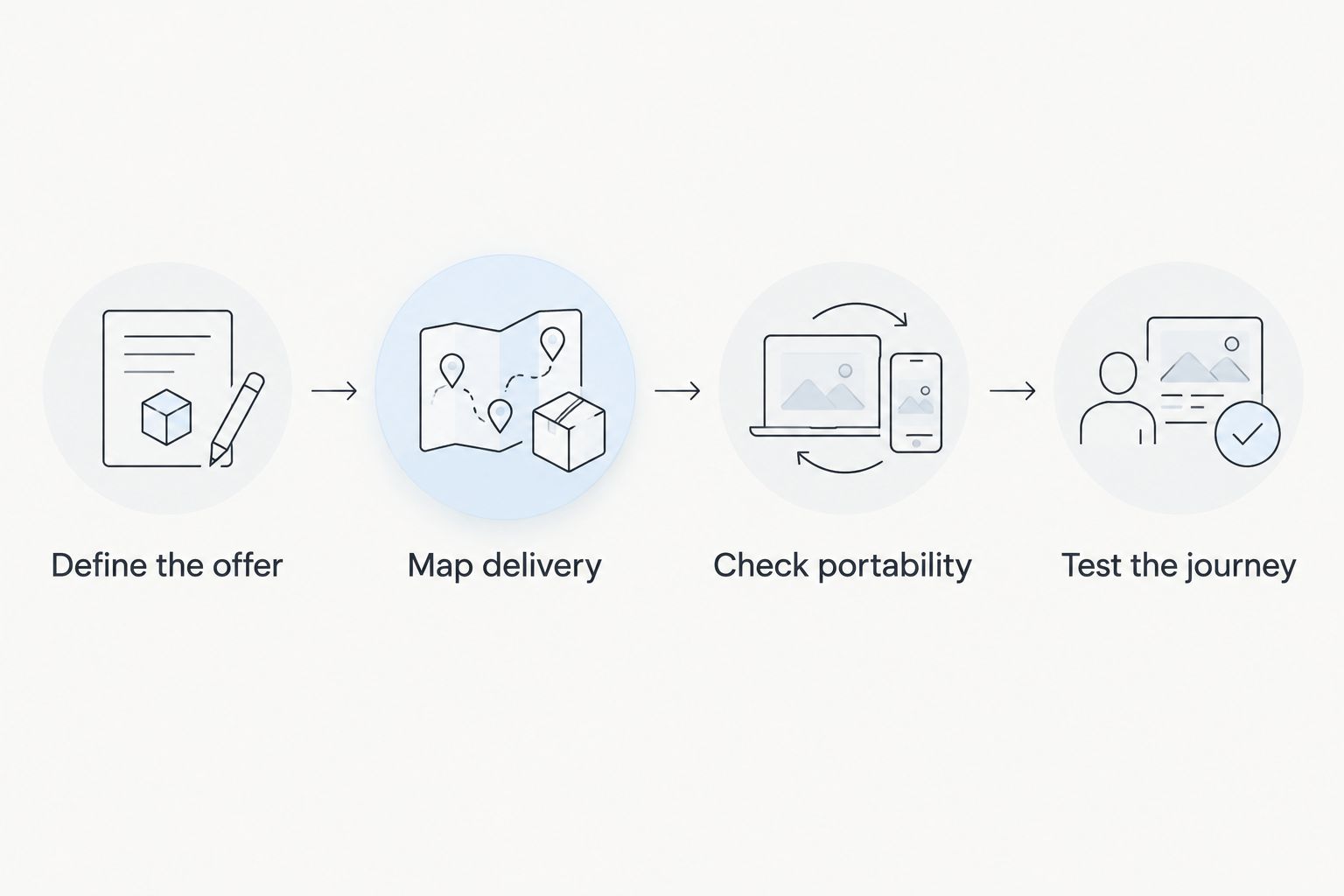
Keep the first launch narrow: 1 offer and 1 clear buyer journey. Add another format only when it serves a different customer need, not because another feature is available.
FAQ
What's the best creator monetization platform in 2026?
Patreon is the default recommendation here for recurring fan support. Choose by offer type instead if you sell newsletters, downloadable products, structured courses, or a broader business-building workflow.
Which platform should I use to sell a paid newsletter?
Substack is the newsletter-focused recommendation in this guide. It connects publication and paid subscriptions, making it a direct fit when readers pay for continuing writing.
Is Patreon better than Gumroad?
Patreon fits recurring fan support, while Gumroad fits standalone digital products. Choose based on whether buyers want an ongoing relationship or a defined deliverable.
Should I sell a course or start a membership?
Sell a course when learners need an ordered path to a defined outcome. Start a membership when the value depends on continuing access, content, or support.
Can I monetize a YouTube channel immediately?
YouTube partner-program earning features require eligibility. Check the current official requirements for the specific feature before treating it as a revenue source.
Do I need several creator monetization platforms?
You do not need several platforms to launch one clear offer. Add another only when it solves a distinct publishing, delivery, or customer-management need.
What should I check before moving platforms?
Check content exports, customer records, subscription arrangements, and the buyer access process. Confirm how each part transfers before interrupting an existing paid offer.
One last thing
Your publishing schedule is part of the product when you sell a subscription. Before choosing any recurring model, write the next 4 weeks of promised delivery on a calendar; if the workload does not fit, reduce the promise before taking subscribers.
The best platform supports an offer you can keep delivering. It does not replace that offer.